
Plague: A-to-Z Guide from Diagnosis to Treatment to Prevention
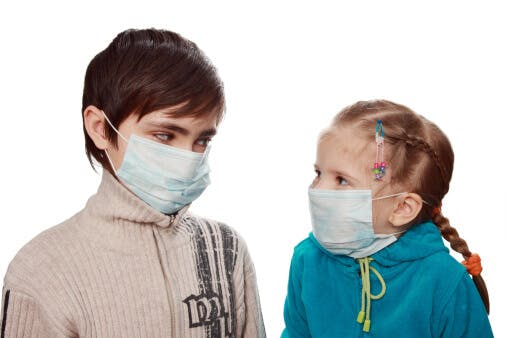
Plague is responsible for some of the worst epidemics in human history. 100 million people died in the epidemic of 542 A.D. During the Middle Ages, the Black Death killed about one third of the population of Europe.
Plague can occur on its own, but it is also caused by one of the few bacteria most likely to be used in an act of bioterrorism or biological warfare.
What is it?
Plague is caused by a species of bacteria called Yersinia pestis. It is an infection primarily of rodents and their fleas, but without proper treatment it can cause devastating infections in humans and other animals.
Who gets it?
People get plague if they are bitten by an infected flea. They can also get plague from close contact with infected animals and their bodily fluids.
In the United States, plague is most common in rural areas, especially in the western states.
People can also get it from inhaling infected droplets or aerosols.
Children would be expected to be affected disproportionately in a biological attack.
What are the symptoms?
Plague has several forms, depending on who is infected, how sick they are, and where the bacteria enter the body.
In bubonic plague, caused by flea or rodent bites from infected animals, people have a sudden high fever and exquisitely painful swollen glands (called buboes). These are most common in the groin, but may occur under the arms or in the neck. Bubonic plague is the most common form seen in children.
In pneumonic plague, caused by inhaling the bacteria, the sudden high fever may be accompanied by a shortness of breath and a cough, perhaps coughing up blood.
Meningeal plague looks like meningitis at the outset.
Children with septicemic plague often first show up with shock and bleeding.
Most children with any type of plague have fever, headache, shaking chills, and tend to get worse very rapidly. The name Black Death comes from dark bleeding or bruising under the skin.
About half of kids with any type of plague also have abdominal pain, nausea, vomiting, and bloody diarrhea. Sometimes these are even the major symptoms at the beginning.
Is it contagious?
Plague is somewhat contagious from person to person (or from cat or dog to person), especially through respiratory droplets.
How long does it last?
Symptoms usually begin suddenly 3 or 4 days after exposure – though they can begin within only a few hours. Sometimes it takes as long as a week or ten days.
Without treatment, many die within 24 hours. With treatment, most turn the corner within about 3 days, and treatment is continued for 7 to 10 days.
How is it diagnosed?
Plague may be suspected based on the history or physical exam, but is diagnosed based on blood or tissue tests.
How is it treated?
Appropriate antibiotics are more than 90 percent effective at treating plague, if started in time. They are usually given via shot or IV. Other treatment depends on the course of the disease.
How can it be prevented?
People exposed to a patient with any form of plague may require antibiotics to prevent infection. In the United States, there is currently no commercially available vaccination for it. Vaccination is currently only recommended and used for biologists and other laboratory workers who are at highest risk of contracting plague.
Children should be taught never to handle sick or dead animals, especially rodents. Rodent control and flea control for pets can also help prevent infection.
Droplet precautions are important whenever anyone is around someone with plague, or when it is thought to be in the air.
Related concepts:
Black death, Bubonic, Pneumonic, Meningeal, and Septicemic plagues, Yersinia pestis
Alan Greene MD


Our goal is to improve children's health by inspiring parents to become knowledgable partners who can work with their children's physicians in new and rich ways.