
Airborne Transmission: A-to-Z Guide
Introduction:
Sometimes your child can get sick just from being in the same room as someone else who is ill. Understanding how diseases can spread makes them easier to prevent.
What is Airborne Transmission?
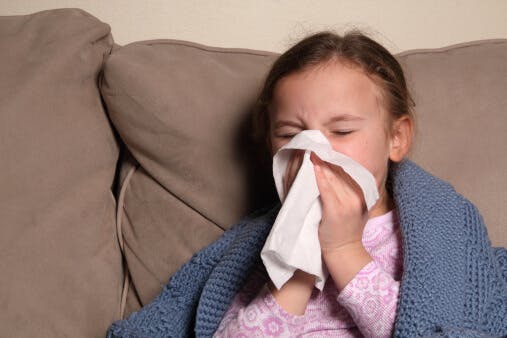
Airborne transmission occurs when bacteria or viruses travel on dust particles or on small respiratory droplets that may become aerosolized when people sneeze, cough, laugh, or exhale. They hang in the air much like invisible smoke. They can travel on air currents over considerable distances. These droplets are loaded with infectious particles.
With airborne transmission, direct contact with someone who is infected is not necessary to become ill. The amount of exposure necessary varies from disease to disease. With chickenpox, a child could easily catch it from another aisle in a supermarket. With tuberculosis, closer contact and less air circulation are often needed.
Many common infections can spread by airborne transmission, at least in some cases, including: Anthrax (inhalational) Chickenpox, Influenza, Measles, Pertussis, (whooping cough) Smallpox, and Tuberculosis.
How can it be prevented?
The best way to avoid airborne infections is to be in a different room from the person who is ill, with a closed-door in between. If you need to be in the same room, wearing a mask may help for a brief exposure. Covering the mouth or nose when coughing or sneezing decreases droplet spread to some degree.
Related concepts:
Droplet transmission, Fecal–oral transmission, Contact transmission, Body-fluid transmission.
Alan Greene MD


Our goal is to improve children's health by inspiring parents to become knowledgable partners who can work with their children's physicians in new and rich ways.