
Salmonella: A-to-Z Guide from Diagnosis to Treatment to Prevention
Introduction:
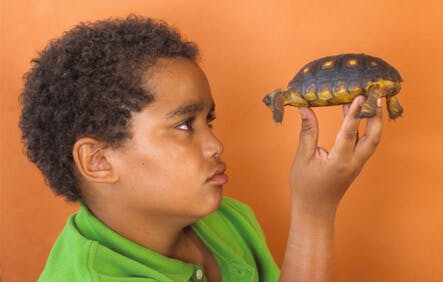
Careless handling of raw chicken, eating undercooked eggs, and playing with pet turtles all share something in common – they can give your child Salmonella.
What is it?
Salmonella bacteria are a major cause of food poisoning and infection from poultry, reptiles, and pets. Salmonella organisms can cause a wide variety of illnesses, including typhoid fever, meningitis, and osteomyelitis (infection of the bone). Some infected children have no symptoms at all, but the most common infection caused by Salmonella is gastroenteritis.
Who gets it?
Anyone can get Salmonella, but it is most common in children under 5 (and in the elderly). Millions of cases occur each year in the United States, and at least half of them are in children.
Salmonella is found in almost all kitchens. Thankfully, proper food handling, cooking, and cleaning will reliably kill the bacteria.
Eating raw or undercooked eggs, poultry, or red meat is a common cause of infection. So is cross contamination from uncooked poultry or red meat in the kitchen. Contamination can also come from animal products or infected people involved in food preparation.
Children can also get sick from drinking raw milk (unpasteurized milk) or from eating unwashed fruits or vegetables.
Poultry, livestock, amphibians, and reptiles can carry Salmonella. Children can get sick from playing with or handling these animals if the bacteria get in the children’s mouths.
Drinking contaminated water is a major source of Salmonella worldwide, and is one of the reasons that a clean water supply is so important.
What are the symptoms?
Most commonly, Salmonella causes gastroenteritis with cramping, diarrhea, abdominal tenderness, vomiting, and fever. The diarrhea is usually watery, but may contain blood or mucus.
Some children get very sick, with high fevers, headaches, confusion, and sometimes even seizures. Salmonella can cause enteric fever (typhoid fever). Some children have a salmon-colored rash (rose spots). When the bacteria get into the bloodstream, they can travel and cause infection throughout the body.
Children with sickle cell disease, HIV, and certain other causes of anemia are among those at risk for complications from Salmonella.
Is it contagious?
Salmonella can be spread from person to person by the fecal-oral route.
How long does it last?
Salmonella symptoms usually begin about 24 hours after exposure (from 6 to 72 hours). Enteric fever can occur up to 60 days after exposure.
The symptoms usually go away within a week in otherwise healthy children.
How is salmonella diagnosed?
Salmonella may be suspected based on the history and physical exam. The diagnosis is usually made with a stool culture or other stool test. Other tests, such as blood tests or spinal fluid tests may be performed if there is reason to suspect that Salmonella is there.
How is salmonella treated?
Treatment should be managed by a physician. Most otherwise healthy children do not benefit from antibiotics used to treat Salmonella when it infects the gastrointestinal system, but for some children and some types of Salmonella infections antibiotics are important. Other medicines may also be necessary, depending on the severity and duration of the disease.
Preventing and treating dehydration is important for all children with Salmonella.
How can salmonella be prevented?
Thankfully, Salmonella is killed by cooking.
Salmonella is best prevented by proper food handling and cooking, maintaining sanitary water supplies, and good hand washing.
Wash hands before preparing or serving foods. Have someone else prepare the food if you have cramps, nausea, vomiting, or diarrhea.
When handling raw meat or poultry, consider them contaminated! Wash your hands and any surfaces they have touched before proceeding. Make sure raw fruits and vegetables do not come into contact with raw meat and eggs. Be sure that meats, eggs, and poultry are fully cooked. Children should not eat raw eggs or foods containing them.
Livestock, poultry, reptiles, and amphibians should also be considered to be contaminated. Wash after handling or close contact.
Teach your kids to wash their hands after toileting and before eating. Instant, alcohol-based hand cleansers can be used when washing with soap and water is not an option.
Alan Greene MD


Our goal is to improve children's health by inspiring parents to become knowledgable partners who can work with their children's physicians in new and rich ways.