
Pinworms: A-to-Z Guide from Diagnosis to Treatment to Prevention
Introduction to pinworms:
Although adults often shudder at the thought of pinworms, most kids don’t have this same gut response. In any case, pinworms are mostly harmless and inhabit people in every socioeconomic group and culture.
What are pinworms?
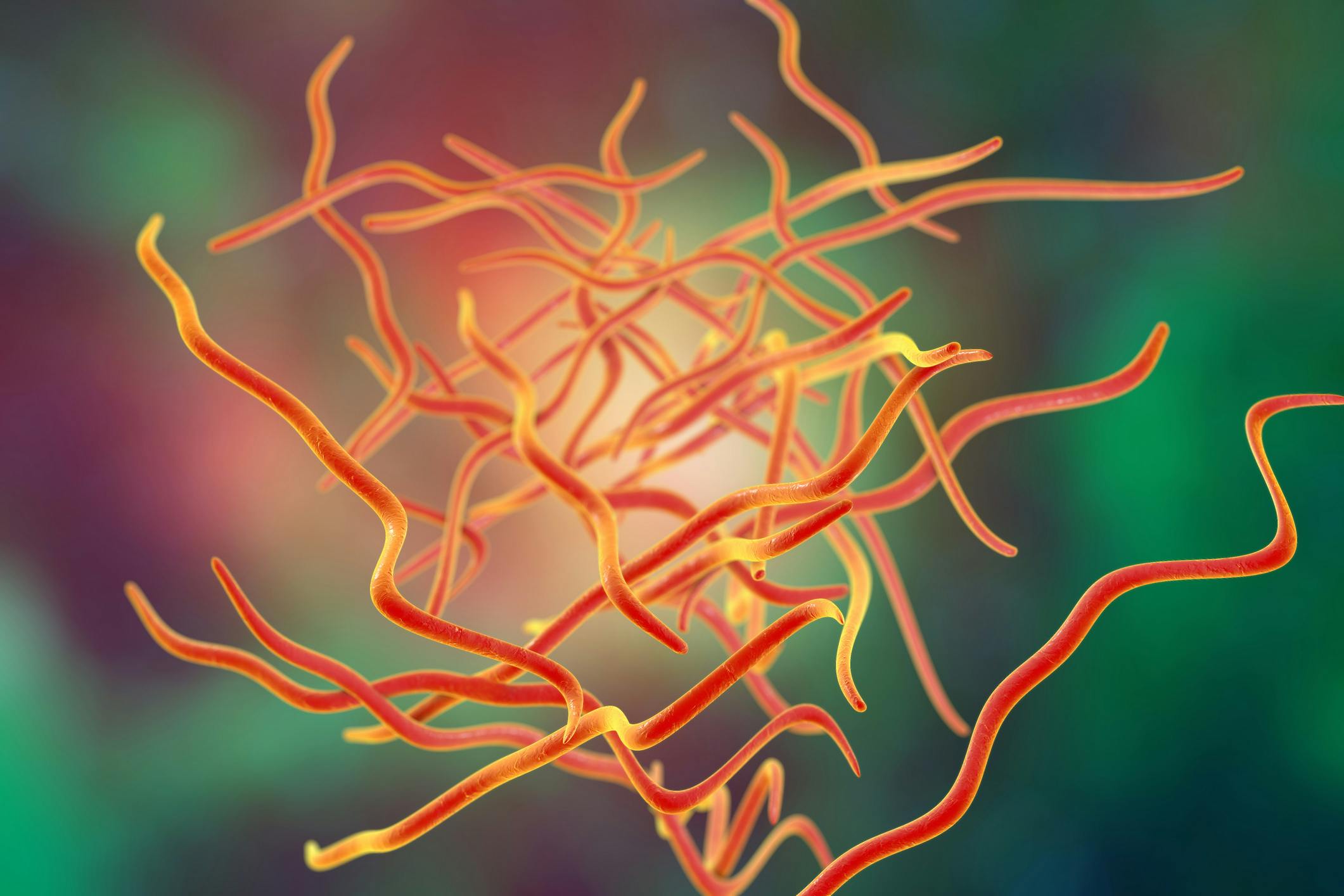
The pinworm, or Enterobius vermicularis, is one of the most common parasitic infections of humans. Somewhere between 10 percent and 40 percent of children have pinworms at any given time.
The adult pinworms are white and measure less than one-half inch long, with the diameter of a strand of thread. These tiny roundworms are quite complex. Like us, they have mouths, throats, and gastrointestinal tracts. Like us, they have nervous systems. The females have a vagina, a uterus, and ovaries. The males have a testicle, vas deferens, seminal vesicle, and ejaculatory duct. They eat, drink, pee, poop, and reproduce sexually.
The adult worms live in the colons (large intestines) of human children and apparently feed on human fecal matter.
When adult male and female worms copulate, each female pinworm produces about 10,000 fertilized eggs. At night, the pregnant female migrates from the colon, out through the child’s anus and onto the skin of the buttocks. There she violently expels all of her eggs and dies. Some of the eggs become airborne and land elsewhere in the child’s room, but the great majority of the fertilized eggs stay on the skin of the child’s buttocks. The eggs mature within six hours of being laid. They can survive in indoor environments for 2-3 weeks.
The adult worms and the eggs on the skin of the buttocks can cause intense itching in the child. When the sleeping child scratches, the eggs often get on the fingers and under the fingernails. If the child sucks his or her thumb or otherwise brings his or her hand to the mouth (perhaps while eating breakfast), the pinworm eggs are swallowed. They usually hatch within the small intestine and mature there. When they become adults, they move to the colon where they take up residence. The entire life cycle lasts four to six weeks.
Occasionally the story goes a little differently. Sometimes a child can inhale airborne eggs and become infected that way. Sometimes a child will touch a pillow or bedsheets or a toilet seat that is contaminated with the eggs and then touch their mouth and become infected that way. Every now and then the eggs will hatch on the skin of the buttocks, and the immature larvae will crawl back through the anus, up into the rectum, and eventually arrive in the colon. Also, the eggs can hatch on the skin of girls and the larvae crawl into the vagina instead of the rectum. This happens in up to 20% of girls with pinworms. The vaginal pinworms usually die out with no outside help.
Who gets pinworms?
Pinworms are found worldwide and can affect people of all ages, although the great majority of cases occur before age 12. Pinworms occur in all socioeconomic groups, but are more common wherever children are in close contact with each other and in caregivers of young children or in areas where many people live in close quarters.
What are the symptoms of pinworms?
Most children with pinworms have no symptoms at all. In the same way that many bacteria live in our intestines without making us sick, pinworms can live happily in our intestines without causing any problems. Since the pinworm almost always stays in the gastrointestinal tract (or vagina), there is usually no systemic illness.
Some children, however, develop nighttime itching of the skin around the anus. For a small number of these children, the itching can be quite intense.
The girls who develop vaginal pinworm infections often develop vaginal itching and sometimes a vaginal discharge.
Attempts to link pinworm infection to bed wetting or grinding of the teeth have been unsuccessful, but pinworm infestations can interfere with sleep due to the discomfort of itching.
Are pinworms contagious?
Pinworms are contagious. Fertile eggs are usually spread on fingernails, but can also be spread through contaminated eggs on toilet seats, clothing, bedding, or even house dust. Fertilized eggs can remain alive for a couple of weeks, waiting to be swallowed or inhaled. It is also possible to re-infect yourself or get re-infected from another contact.
How long does pinworms last?
The life cycle of a pinworm is 4 to 6 weeks. Without treatment, infestation will continue as long as fresh eggs are being swallowed, unless a person develops immunity to pinworms, which is unusual before age 15.
How are pinworms diagnosed?
Stool and blood tests are not very helpful in diagnosing pinworms. Seeing a worm clinches the diagnosis. Check your child’s skin with a flashlight 2-3 hours after they fall asleep and first thing in the morning. Look for white, wiggling threads. If it’s not wiggling, it’s probably just lint. Occasionally a wiggling worm will be seen on the surface of a stool. Pinworms are so common that children with nighttime anal itching are often treated without any lab test at all. The classic diagnostic tool is to apply a piece of transparent tape to the skin near the anus first thing in the morning. This tape can then be attached to a glass slide and examined under a microscope for the presence of eggs. Your doctor can supply you with a pinworm lab kit, if necessary. Remember, though, that these eggs are infectious!
How are pinworms treated?
The treatment is two doses of an anti-pinworm drug, which is available without a prescription. The second dose is given 2 weeks after the firs to help prevent re-infectiont.
Physicians disagree about whether or not to treat all family members. Treating the infected child alone will often get rid of the infestation. Anyone who sleeps with the child, or any family member or friend with itching should be treated. In stubborn cases, treating the family members, and particularly the other children can be a good idea.
Washing the bedding with hot water on the treatment day may help and is often recommended.
How can pinworms be prevented?
This easily transmissible infection is very common in children. It is not a sign of poor hygiene. It is easily spread at home, school, or daycare (pets have no part in the pinworm story). Since most kids experience no ill effects whatsoever, extreme measures to prevent pinworms are not wise.
I recommend trimming the fingernails, scrubbing the hands (after awakening, before meals – especially breakfast – and after toileting). These measures have never been proven to help at all, but they still seem like a good idea to me.
Where pinworms are a constant problem, treating every 3 months may help to prevent re-infestation. Showering in the morning can also help curb re-infection risk. Showering is a better method of washing off eggs than bathing as the eggs can contaminate the bath water. Changing bedsheets, pillows and under garments and washing daily in hot water and drying in a hot dryer during treatment can also help kill the infectious eggs.
Related concepts:
Worms, Nematodes, Enterobiasis, Enterobius vermicularis
References and Resources
Centers for Disease Control. Pinworm Infection
Kimberlin, David, et al. Report of the Committee on Infectious Disease. Pinworm Infection. Red Book, 32nd Edition. May 2021.
Rawla P, Sharma S. Enterobius Vermicularis. StatPearls [Internet]. Treasure Island (FL): StatPearls Publishing; 2022.
Alan Greene MD


Our goal is to improve children's health by inspiring parents to become knowledgable partners who can work with their children's physicians in new and rich ways.