
Phenylketonuria: A-to-Z Guide from Diagnosis to Treatment to Prevention
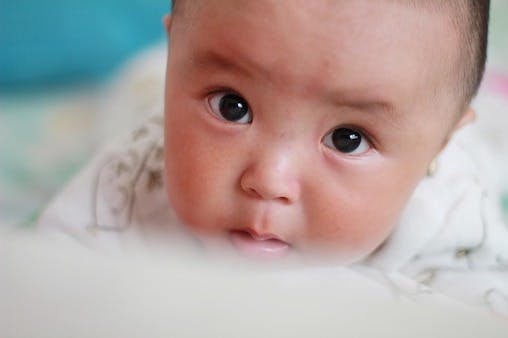
The sweetener aspartame, and many protein-rich foods, can act like poisons to children with PKU.
What is PKU?
Phenylalanine is an essential amino acid, one of the building blocks of protein that we need in our diets. Extra phenylalanine that we eat or drink is normally broken down by a specific enzyme and its cofactor.
If there is not enough of the enzyme or its cofactor, then the extra phenylalanine builds up in the blood (hyperphenylalaninemia) and spills into the urine (phenylketonuria). This excess can cause brain damage.
Classic PKU is deficiency of the key enzyme, phenylalanine hydroxylase.
Deficiency of the cofactor, tetrahydrobiopterin, is even worse, because the cofactor also has other important roles in the body. It is necessary for manufacturing neurotransmitters in the brain, so its absence can result in brain damage in at least two different ways. Deficiency of the cofactor is called malignant hyperphenylalaninemia, because it does not respond to ordinary PKU treatment.
Benign hyperphenylalaninemia is a mild deficiency of the key enzyme, allowing babies to develop normally if they do not eat excess protein.
Transient hyperphenylalaninemia is the name given to those babies who have a temporary inability to process phenylalanine. As they mature over the first few weeks of life, transient hyperphenylalaninemia disappears.
Who gets PKU?
PKU is an inherited condition, passed along as a recessive trait. There are over 100 different variations of the gene that can result in PKU. When both parents are carriers, about one in four of their children will have the disease.
Babies with classic PKU are often the blondest children in the family. They are typically blue-eyed, fair-skinned babies.
Transient hyperphenylalaninemia most often occurs in premature babies in the first month of life.
PKU is somewhat rare (seen in fewer than one in 10,000 children), but important to identify. Early treatment can make a huge difference for these children.
What are the symptoms of PKU?
Babies with classic PKU are normal at birth, except for missing the necessary enzyme to process phenylalanine. As they get phenylalanine in the diet, brain damage gradually occurs and accumulates and intelligence is lost at a rate of about 4 IQ points per month during the first year. If untreated for a year, babies lose almost 50 IQ points, resulting in severe mental retardation.
Sometimes these babies vomit – so much so that they might mistakenly be thought to have reflux or an intestinal obstruction. Seizures and rhythmic rocking are common. They have small heads, small bodies, and poorly developed teeth. Skin rashes may also result. These children often have an unpleasant musty or mousy odor from the excess by-products of unprocessed phenylalanine.
Babies with malignant hyperphenylalaninemia may have similar symptoms, but even with appropriate PKU treatment they tend to have increasing neurologic problems by 3 months of age, including excess drooling, loss of head control, and seizures.
Babies with benign hyperphenylalaninemia or transient hyperphenylalaninemia usually have no symptoms at all.
Is PKU contagious?
No.
How long does it last?
Except for transient hyperphenylalaninemia, which usually lasts less than a month, these conditions are life-long.
How is it diagnosed?
PKU is usually identified on the newborn screening test, but the screening test is most reliable if performed after 48 to 72 hours of life.
The newborn PKU test is a screening test, not a diagnostic test. It simply identifies which kids should be tested further, but not which have PKU. Most children with a positive screening test do not turn out to have the disease.
Specific tests are then needed to confirm and identify the specific problem. All people with suspected PKU should be tested for cofactor deficiency as soon as possible.
How is PKU treated?
Classic PKU is treated with a careful, strict low-phenylalanine diet. Because phenylalanine is an essential amino acid, it must not be eliminated from the diet – only decreased. Careful balancing, frequent monitoring, and close supervision are important. Low phenylalanine formulas are available.
Human breast milk is fairly low in phenylalanine content. The ideal for most infants with PKU is to be fed some breast milk (so that the many benefits can be obtained), while adjusting the diet appropriately. Babies receive a measured amount of phenylalanine-free milk and an adjusted amount of breast milk. Phenylalanine levels need to be monitored.
Alternatively, a complete formula for PKU, which contains some phenylalanine, is available.
Significant levels of phenylalanine are found in protein-rich foods such as milk, dairy products, meat, fish, chicken, eggs, beans, and nuts. It is also found in the artificial sweetener aspartame. Now you know why, when reading food labels, you may notice the warning, “Phenylketonurics: contains phenylalanine”.
The low-phenylalanine diet focuses on fruits, vegetables, rice, corn, potatoes, and low-protein breads and pastas. A phenylalanine-free formula rich in protein, vitamins, minerals and energy (calories) can provide the proper balance.
Dietary restriction is wise throughout life, and especially later during pregnancy. As kids get older, the dietary restrictions can be tough on them and on the family. It’s important to receive emotional and practical support from experienced people.
Children with malignant hyperphenylalaninemia also need the low-phenylalanine diet. In addition, they may need treatment with neurotransmitter precursors and replacement cofactor.
Children with benign hyperphenylalaninemia may be able to keep their phenylalanine levels in control by simply reducing total protein intake. Some do best on a low-phenylalanine diet.
How can PKU be prevented?
PKU is not a preventable disease, though the damage of PKU can usually be prevented by early identification and treatment. In addition to newborn screening, prenatal testing and carrier testing are possible.
Related concepts:
PKU, Classic phenylketonuria, Benign hyperphenylalaninemia, Malignant hyperphenylalaninemia, Transient hyperphenylalaninemia.
Alan Greene MD


Our goal is to improve children's health by inspiring parents to become knowledgable partners who can work with their children's physicians in new and rich ways.