
Fifth Disease: A-to-Z Guide from Diagnosis to Treatment to Prevention
Introduction to fifth disease:
A child with bright red cheeks and a rash on her trunk is sent home from kindergarten. Her teacher is pregnant. Was it best to send the child home?
What is fifth disease?
Fifth disease is a mild viral illness caused by a virus named parvovirus B19. The virus was discovered in the 1970’s, but the disease has been known for centuries. It is one of the classic childhood exanthems. Fifth disease got its name because it was the fifth childhood disease with a somewhat similar rash to be discovered. It is poetically called “slap cheek” because of the appearance of the rash. The other name for this condition is erythema infectiosum (infectious red rash). This is ironic: We now know that a child is contagious before the rash starts, but not contagious at all once the rash develops; many children are kept out of school and daycare unnecessarily.
Who gets fifth disease?
Fifth disease is most common among school-aged children aged 5 to 14, but it is also seen in preschool children, parents, and teachers. About half of adults tested have already had it and are immune. All pregnant women who have been exposed to fifth disease should discuss this with their obstetricians. Even when women get fifth disease for the first time during pregnancy, most of the babies do well. Still, some babies do need treatment, and the pregnancy should be monitored closely.
What are the symptoms of fifth disease?
Most children who get fifth disease start to feel a little under the weather 4 to 14 days after they are exposed. Headaches, low-grade fevers, muscle aches, and tiredness are common. The symptoms are usually mild and last for about 2 or 3 days. It is before and during this period that the children are contagious.
This is followed by about a week during which most children are free of symptoms. After this, the telltale rash appears. Because there is a long period between the first phase and the rash, most people don’t suspect the link between the two phases.
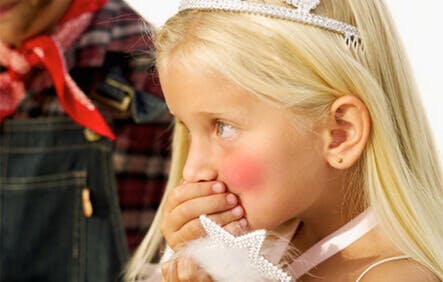
The rash phase of the illness typically goes through three stages. The first stage is the bright red rash on the cheeks that gives rise to the name “slap cheek.” It is most pronounced when children go from a cool environment into a warm one. The second stage of the rash begins 1 to 4 days later, with the appearance of a less intense rash on the trunk, buttocks, and limbs. The rash usually spreads in a downward direction but does not reach the palms or soles. Toward the end of this stage, there is a blotchy clearing of the rash, leaving a lacy pattern. The third stage of the rash usually lasts for longer than a week and can last for a month or more. During this stage, intensity of the rash fluctuates—especially with changes in temperature. A child can appear to have completely recovered, only to have the rash reappear when she takes a bath.
Is fifth disease contagious?
Yes
How long does fifth disease last?
The characteristic time course is outlined in the ‘symptoms’ section.
How is fifth disease diagnosed?
The diagnosis is generally based on a typical history and physical exam. Making the diagnosis is usually straightforward, especially during an outbreak in the community. Occasionally it can look similar to other conditions, such as rubella (German measles), scarlet fever, drug reactions, or allergies. Blood tests can make a reliable diagnosis if necessary.
How is fifth disease treated?
There is no specific treatment for fifth disease. Sometimes the rashes itch or the joints ache. If this is the case, symptomatic treatments, such as oatmeal baths or acetaminophen, can be helpful. Unless children have an underlying blood disease or immune deficiency, they should recover spontaneously and completely.
How can fifth disease be prevented?
Outbreaks occur most often during the winter and spring months. Fifth disease is quite contagious, with cases following each other by 4 to 14 days. Keeping the hands clean with instant hand sanitizers can help to interrupt the spread of this infection, which is spread by respiratory droplets.
Related concepts:
Erythema infectiosum, Parvovirus B19, Slap cheek.
Alan Greene MD


Our goal is to improve children's health by inspiring parents to become knowledgable partners who can work with their children's physicians in new and rich ways.