
Healthy Eating, Part I – How important is good nutrition?
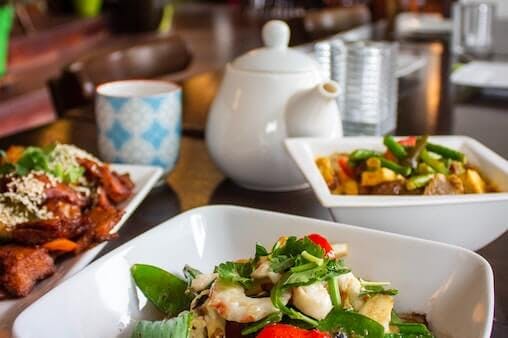
With all that we know about tobacco, how can people still smoke? Easy. They’re enticed by big business; they enjoy it; it’s cool; and it’s very, very habit forming. Now for the truth–poor nutritional choices cause every bit as much cancer, death, disability, and chronic disease as cigarettes do. The modern American diet is public health threat number one (American Journal of Preventive Medicine, March-April 1995). With all that we know about junk food, how can people still eat it? Easy. They’re enticed by big business; they enjoy it; it’s cool; and it’s very, very habit forming.
When I was growing up, my father grew tomatoes in our backyard. These vine-ripened tomatoes were absolutely delicious–far better than any others I can remember having. As plants grow, the new growth is built from materials taken from the soil. Nothing can be incorporated into plants unless it is present in the soil. Plants grown in depleted soils are just not the same. Commercial fertilizers can put the basic required minerals back into the ground, but this simplified soil is not as rich as organically maintained soil. Plants do the best they can with whatever materials are available.
When my daughter was born, she weighed 7 pounds, 6 ounces. Today, as I write, she is 8 years old and weighs over 50 pounds. All of the materials for this dramatic increase in size have come from the food she has eaten. Like the tomato plant, Claire’s body does the best it can with available materials.
When I look at my children playing football in the park, I am looking at structures built from the food they have eaten, the composition depending on the nutrients that were available at the time. When you begin to really see this, you begin to feel differently about cheap hot dogs…
Getting children to eat well is far easier said than done. For the next 5 days–the first full week of the New Year–I’ll give you some tips for making delicious and healthy changes. We’ll start today with the foundation principle. This won’t solve the challenges by itself, but without this principle, other tips won’t work well in the long run.
Sometime around 9 months of age, many babies begin to think that smooshed baby foods are not where it’s at. They develop an intense desire to eat whatever it is that you are eating. This is a critical part of child development because your child will begin to strongly imprint your health patterns. Eating junk food while offering our children vegetables just doesn’t work. And the same is true for older children.
I can remember the brave little face of my son. Daddy was drinking a cup of coffee. My boy kept asking for a sip. I declined by saying that it tastes yucky to kids and making a face. He persisted, and I gave him a little sip. His face combined shock, disgust, and disappointment. His eyes got big and watered. Then he smiled and said, “More.” It reminded me of the time I smoked a cigar offered to me by an older boy on a scouting trip. Kids’ desire to imitate at this stage is a deep, powerful force. Tap into it.
Many of us have unhealthy habits that we’ve accumulated over the years. The miracle of having a child is often our best opportunity to shed those habits that don’t serve us and to develop new ones that do. Our parenting instincts make it easier to do something for our children that we would not do for ourselves alone. These changes, of course, directly benefit our children as they follow our examples. They also benefit our children by giving them healthy, energetic parents, both now and in the years to come. They add freshness to our marriages or adult relationships. And of course, they are what our own bodies are crying out for.
So when your child begins wanting food from your plate, let it be fresh fruits and vegetables plus whole grains. When he or she wants to taste what you are drinking, let it be something you would be happy for your child to drink. Don’t let your young child’s foray into the world of adult foods be potato chips, French fries, or sugary treats.
Of course, budding toddlers will want some foods that you don’t eat. They won’t take all the ones that you do. Still, don’t miss out on the power of imitation to make healthy eating habits natural for your child. And remember, we can’t give something that we don’t have.
When you give children good nutrition, you are giving them the nutrient building blocks that literally become the eyes you look into; the knees that get scraped; the bones that support their growing bodies; their inquisitive, curious brains; and the hearts that pump quietly night and day down through the years.
More Information on Healthy Eating:
Healthy Eating, Part I – How important is good nutrition?
Healthy Eating, Part II – What foods do children need? What foods should be avoided?
Healthy Eating, Part III – The five greatest motivators for preschool children to eat healthy foods.
Healthy Eating, Part IV – Motivators for school age children and adolescents.
Healthy Eating, Part V – Good news for vegetable haters everywhere!
Alan Greene MD


Our goal is to improve children's health by inspiring parents to become knowledgable partners who can work with their children's physicians in new and rich ways.