
Allergies Health Center
Allergies Are No Fun -- For You or Your Kids.
Did you know that dark-haired cats cause more allergies than light-haired cats? Did you know that skin rashes, nausea, and diarrhea don’t necessarily mean that your child is allergic to penicillin? If you’re concerned about your child’s allergies and are looking for some answers, you’ve come to the right place!

Articles
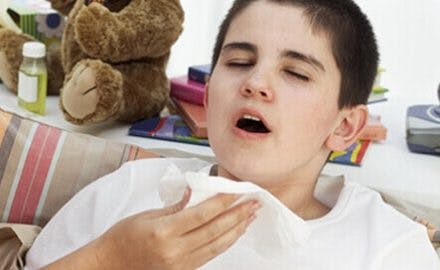
Learn more about the body’s allergic response, including ways to treat and prevent those pesky sneezes and watery eyes.



Q&A Guides
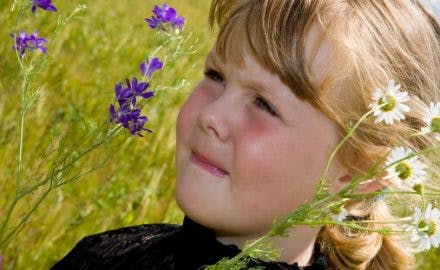
Allergies can vary wildly; they’re not always related to well-known causes such as pollen or nuts. Read on to learn about other allergens and ways they can affect children.





Food Allergies
Food allergies can range from milk to gluten to many things in between, and symptoms are not always GI-related. Learn how food allergies develop and ways they can present themselves.






Sting Allergies
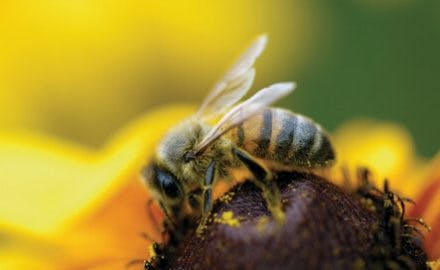
Getting stung by anything in nature is scary in itself, and even more so if there is a risk of allergic reaction with it. Here we discuss how to check for potential sting allergies, and how to treat them.
Allergy & Asthma
Allergies and the respiratory system are closely linked together. Learn how strengthening your child’s immune system can help ward off both asthma and allergic response.





Allergy Medicine
From antihistamines to orange peels, discover the many options for treating allergy symptoms.


Allergy Treatment
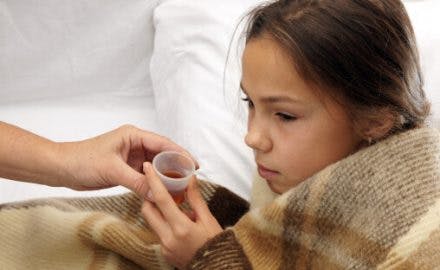
How to tell the difference between true allergies and the common cold? What about alternative treatments, such as acupuncture? Here we look into how to assess for allergies, as well as helpful remedies.


Animal Allergies
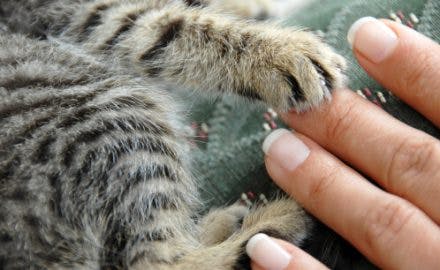
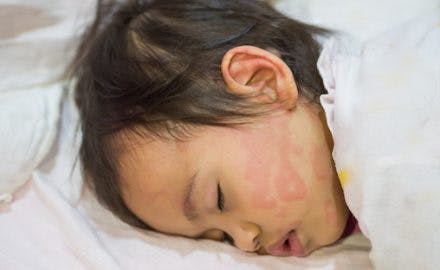
Contrary to popular belief, research shows that having dogs or cats in the home from the time a child is born can actually reduce the likelihood of allergies. However, allergens from other animals, such as mice, can mix with dust in the house and may present their own problems. Find out how to reduce environmental allergens due to animals here.


Our goal is to improve children's health by inspiring parents to become knowledgable partners who can work with their children's physicians in new and rich ways.