
Pseudostrabismus: A-to-Z Guide from Diagnosis to Treatment to Prevention
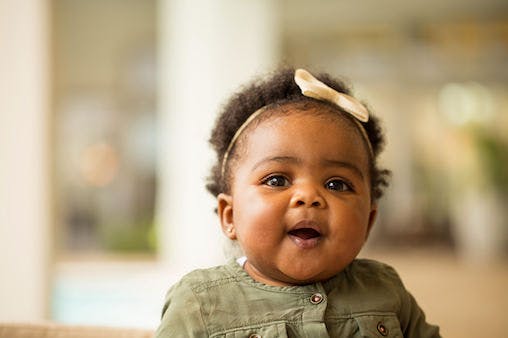
Introduction to pseudostrabismus:
Pseudostrabismus may sound like an unfamiliar term, but it is one of the most common reasons for children to visit an eye doctor.
What is it?
Strabismus is the name given to eyes that do not line up properly. Pseudostrabismus is the name for normal eyes that only appear to turn in because of the shape of the face.
Pseudostrabismus does not affect vision.
Another situation often confused with strabismus is the normal development of newborns’ eyes. In the first weeks of life, the eyes may wander from time to time – especially if the baby is tired. In normal development, the baby is able to focus both eyes on the same object most of the time. In true strabismus, the baby is usually unable to focus both eyes on the same object at the same time.
Who gets pseudostrabismus?
It is most common in young babies that have a flat bridge of the nose and prominent folds of skin over the inside corner of the eye.
What are the symptoms of pseudostrabismus?
Because there is more white space visible on the outside half of the eyes, the eyes appear to turn inward (pseudoesotropia). However, light reflects off of the eyes symmetrically, and babies have normal vision.
Is pseudostrabismus contagious?
No
How long does it last?
As the child grows, this appearance of being cross-eyed disappears. It is usually much less of an illusion by the time the baby is walking.
How is pseudostrabismus diagnosed?
It is identified when a child appears cross-eyed, but light reflects off the eyes symmetrically (the corneal light reflex). Also, the child does not turn the eyes to adjust vision when one eye is alternately covered and uncovered (the cover-uncover test).
Nevertheless, a March 2002 policy statement by the American Academy of Pediatrics (AAP) recommends that all babies should have vision screening, including screening for strabismus and amblyopia, at the earliest possible age and at regular intervals throughout childhood.
Subtle strabismus can still occur in a baby who appears cross-eyed for other reasons. Also, strabismus can develop later in a child who had pseudostrabismus as a baby.
Rather than relying on informal or subjective assessments of vision, the AAP policy discusses photoscreening, a new test that can make checking vision easier and more accurate for even very young babies. A specially equipped camera takes their picture and a computer or a person analyzes the eye data obtained. Ask your pediatrician about having your baby screened.
How is it treated?
Pseudostrabismus needs no treatment.
How can pseudostrabismus be prevented?
It is normal and does not need to be prevented.
Related concepts:
False eye turn, Pseudoesotropia.
Alan Greene MD


Our goal is to improve children's health by inspiring parents to become knowledgable partners who can work with their children's physicians in new and rich ways.