

Treating Tonsil Stones
Treating tonsil stones almost never requires surgery, but when needed, treatment consists of either removing the tonsils or removing the calculi.
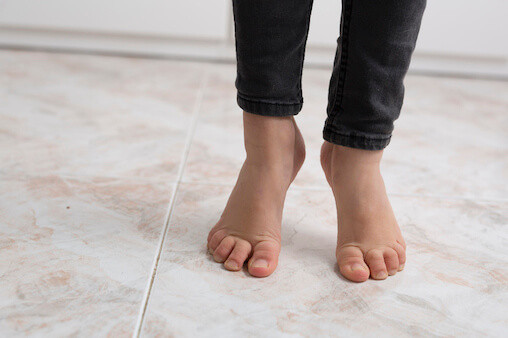
Acute Benign Myositis: One reason your child might suddenly stop walking
Whenever a child that has been walking won't walk, it’s great to check in with your child’s doctor.

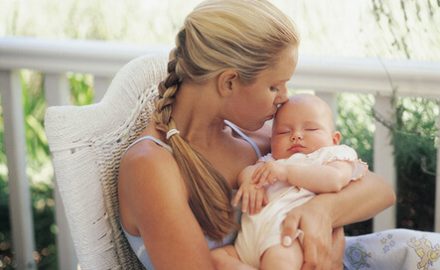
Baby Blues
As magical as the journey of parenthood is, it often begins with a period of feeling blue sometimes called baby blues. Here are some things you can do to...

Guidelines For Enjoying The Holidays with Kids
Holidays with kids can be the most wonderful and the most exhausting time of the year. Here are Dr. Greene's keys to making this a magical time -- for...

Chemicals and Pregnant Women: Taking Care of Your Unborn Baby
We are now able to detect toxic chemicals, at what were recently impossibly low levels to detect, that may already have been causing human disease. I'm hopeful that this...

Allergy Care Guide: How To Prevent And Treat This Season’s Allergies
Allergies can make life miserable. Dr. Greene's Allergy Care Guide is here with tips for preventing and treating seasonal and animal allergies.
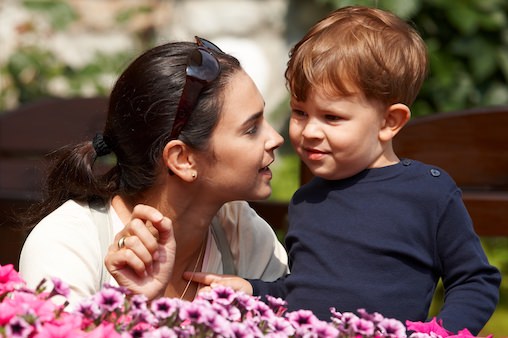
Why Children ask “Why”
When young children ask "why?" it may not mean what you think it does. So how is a parent to answer it? Dr. Greene has an answer for that...
- Treating Tonsil Stones
- Acute Benign Myositis: One reason your child might suddenly stop walking
- Baby Blues
- Guidelines For Enjoying The Holidays with Kids
- Chemicals and Pregnant Women: Taking Care of Your Unborn Baby
- Allergy Care Guide: How To Prevent And Treat This Season’s Allergies
- Why Children ask “Why”
Featured Stories:
Top Articles
Top Blog Posts




Featured Videos of Dr. Greene
- Rethinking the heart of health: Dr. Alan Greene at TEDxBerkeley
- Dr. Greene at TEDx Brussels
- A message for my mother
- Feeding Baby Green by Alan Greene, MD
- Dr. Greene at Purple Day
- 90 Seconds to Change the World -- TICC TOCC
- Earth Friendly Products & Healthy Child Healthy World Awards 2011
- Chemicals In Your Environment
- Plastic - What's Your Number?
- Eating Organic
Books by Dr. Alan Greene

Feeding Baby Green: The Earth Friendly Program for Healthy, Safe Nutrition During Pregnancy, Childhood and Beyond
This unique guide includes advice on how to transform a baby's eating habits that will positively impact their health & development for the rest of their lives. Dr. Greene has included everything a parent needs to know about creating healthy, nutritious meals that help avoid childhood obesity & prevent childhood disease.

Raising Baby Green: The Earth-Friendly Guide to Pregnancy, Childbirth, and Baby Care
In this illustrated and easy-to-use guide, noted pediatrician Dr. Alan Greene, a leading voice of the green baby movement, advises parents how to make healthy green choices for pregnancy, childbirth, and baby care—from feeding your baby the best food available to using medicines wisely.